

Who Should Film, What to Use, When to Shoot, Where to Mount, Why It Works, and How to Finish It Right
Motorcycle ride videos are everywhere — but only a small percentage are memorable. The difference isn’t expensive gear or flashy edits. It’s intentional storytelling, informed technical choices, and understanding why certain tools and techniques work better than others.
This article breaks down motorcycle videography using the 5 Ws and H — the foundation of good journalism — to help riders create videos that don’t just document a ride, but preserve the experience.
#chromeangelz #chromeangelzrc
WHO Should Be Filming Ride Videos?
Anyone who rides can film — but not everyone should film everything.
The most effective ride videos usually come from:
- Ride leaders or sweep riders
- Designated media riders on group rides
- Riders comfortable managing gear safely
- Riders who understand the flow of a ride
Why this matters:
Filming requires situational awareness. The goal is never to ride for the camera, but to let the camera quietly capture what’s already happening. On group rides especially, assigning one or two primary camera riders prevents chaos and keeps safety first.
WHAT Makes a Good Motorcycle Ride Video?
A good ride video answers one question for the viewer:
“What did it feel like to be there?”
That means capturing:
- Motion
- Sound
- Environment
- Human connection
- Context
A single camera angle can’t do that alone. That’s why strong ride videos combine:
- Action footage (movement)
- POV footage (perspective)
- Cinematic footage (emotion)
- Contextual footage (where the ride happened)
Every tool discussed below plays a specific storytelling role, not just a technical one.
WHY GoPro Action Cameras Still Matter
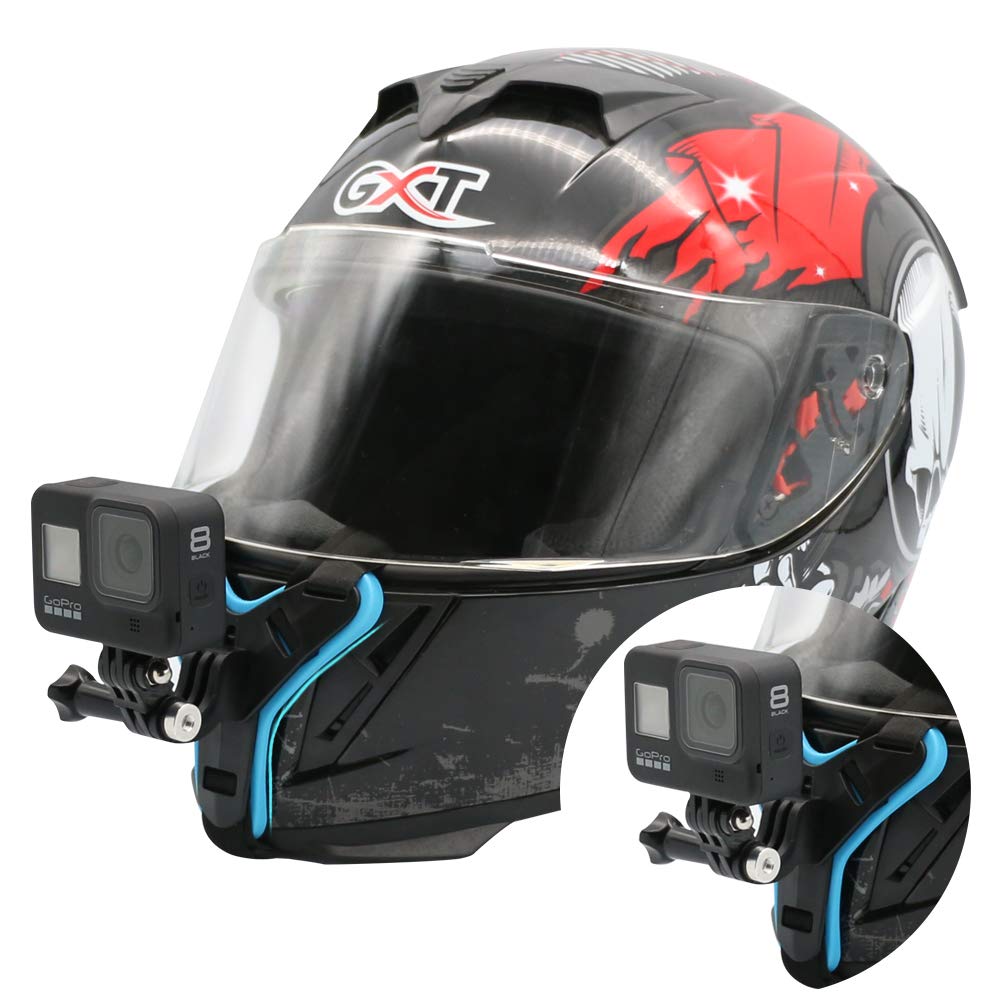

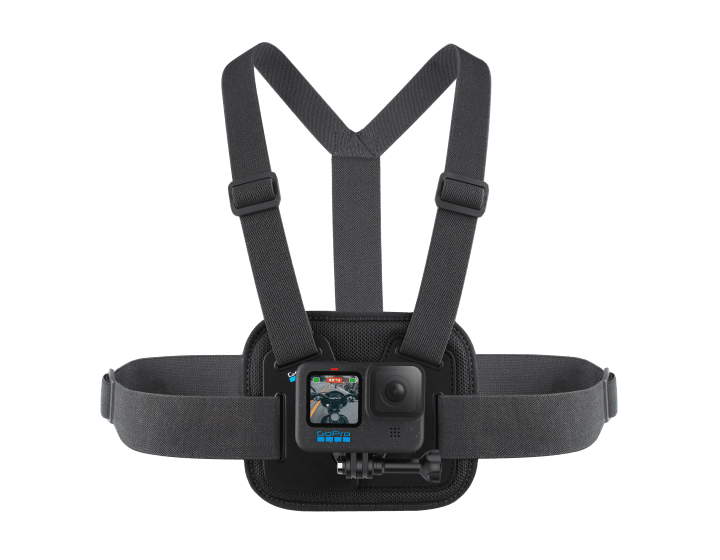
GoPro cameras remain the backbone of motorcycle video for one simple reason:
They work when conditions are worst.
Why GoPro Is Still Essential
- Designed for vibration and wind
- Predictable exposure and stabilization
- Long, continuous recording
- Massive mounting ecosystem
In journalism terms, GoPro footage is your primary source material — the factual, continuous record of the ride.
WHY These Settings Matter
- 4K resolution preserves detail for reframing later
- 30fps matches natural motion and reduces jitter
- Flat color retains highlight and shadow detail
- Low sharpness avoids digital harshness
- High bitrate prevents compression artifacts
These choices protect image quality before editing ever begins.
WHEN to Use ND Filters (and Why Most People Get Them Wrong)
ND (Neutral Density) filters are misunderstood because people treat them as accessories instead of tools with a purpose.
WHY ND Filters Exist
Cameras normally raise shutter speed in bright light, which makes motion look harsh and choppy. ND filters force the camera to behave more like the human eye, adding natural motion blur.
WHEN to Use ND Filters
- Bright daylight
- Open highways
- Scenic rides with smooth motion
- Shooting at 30fps
WHEN NOT to Use Them
- Cloudy conditions
- Forested roads
- Evening rides
- Night riding
ND filters are about motion realism, not image darkness.
WHERE Insta360 Fits Into the Story


Insta360 cameras answer a different journalistic question:
“Where was everyone, relative to each other?”
WHY 360° Cameras Are So Powerful
- They capture relationships between riders
- They show formation, spacing, and flow
- They preserve moments you didn’t anticipate
In group rides especially, this camera becomes your context lens.
WHY These Settings Work
- 360° mode ensures nothing is missed
- 30fps maintains cinematic flow
- Maximum resolution preserves flexibility in editing
This footage is ideal for:
- Group ride storytelling
- Event documentation
- Highlight reels
HOW POV Footage Changes the Viewer’s Experience
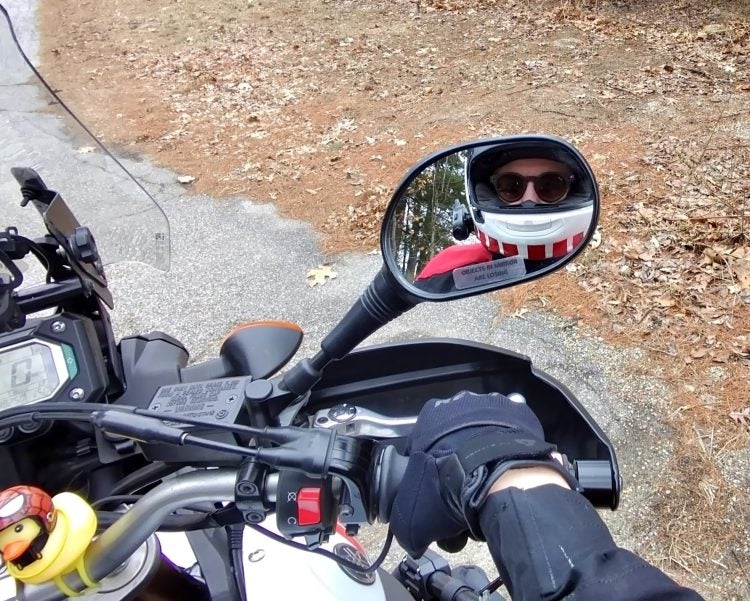

POV footage answers a deeply human question:
“What did the rider actually see?”
Smart glasses provide:
- Natural eye-level perspective
- Hands-free operation
- Authentic moments between action
WHY POV Clips Matter
- They humanize the ride
- They bridge scenes emotionally
- They give viewers a sense of presence
Used sparingly, POV footage becomes the narrative glue between action shots.
WHEN and WHY Phones Still Belong in Ride Videos


Phones answer the emotional question:
“What did this ride feel like when it slowed down?”
WHY Phones Excel
- Excellent color science
- Shallow depth of field
- Strong low-light performance
- Easy access during stops
Phones are best used:
- At scenic pull-offs
- During arrivals
- For detail shots
- At night when action cams struggle
They capture stillness, which gives motion meaning.
HOW Frame Rates Affect Emotion (Not Just Motion)
| Frame Rate | WHY It’s Used |
|---|---|
| 24fps | Film-style storytelling (Cinematic) |
| 30fps | Natural, balanced realism (More Lifelike) |
| 60fps | Energy, action, flexibility |
| 120fps+ | Emphasis and drama |
Frame rate isn’t about specs — it’s about emotional pacing.
If unsure, 30fps remains the most honest representation of riding.
WHEN Night Footage Works (and When It Doesn’t)
Night riding footage isn’t about clarity — it’s about atmosphere.
WHY Night Footage Should Be Short
- Cameras struggle with motion blur
- Noise increases rapidly
- Long clips feel disorienting
HOW to Make Night Clips Effective
- Keep clips brief
- Focus on lights and reflections
- Capture arrivals and departures
- Use phones for static shots
Night footage works best as accent, not foundation.
HOW Editing Turns Footage Into a Story
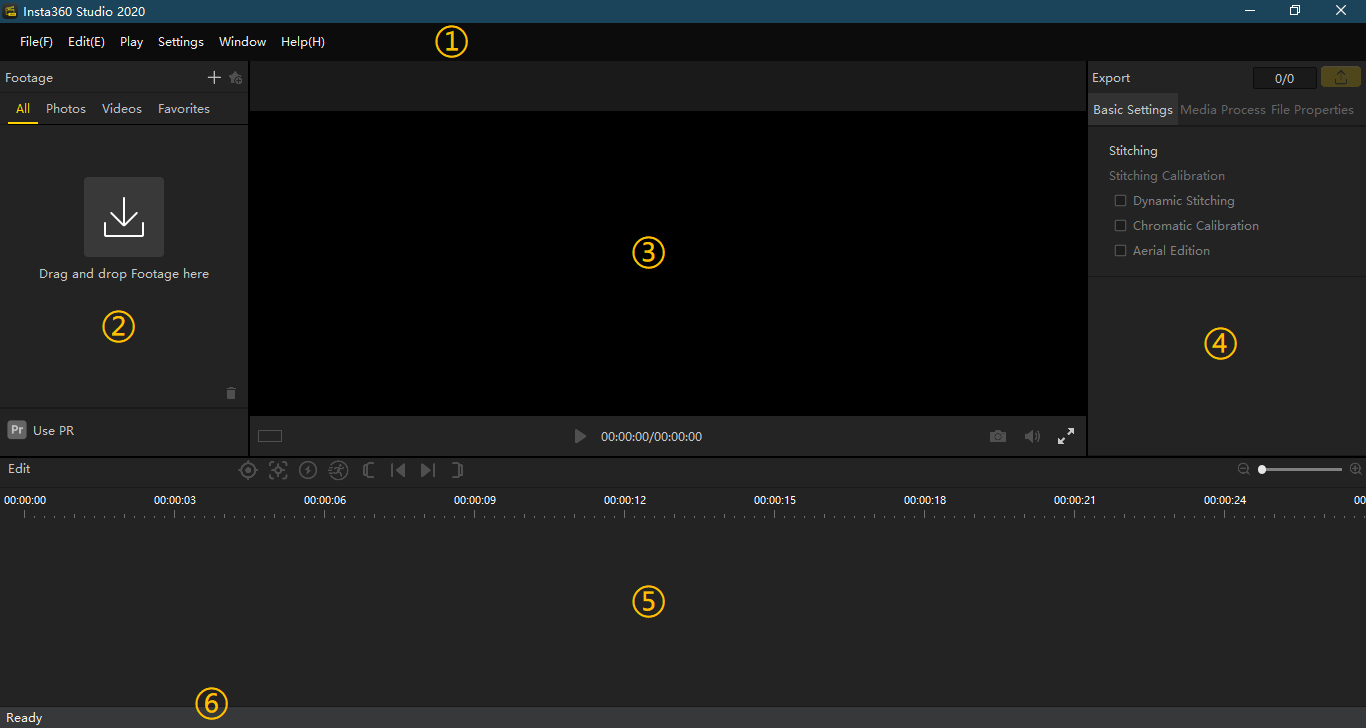

Editing answers the final journalistic question:
“How do all these moments come together?”
WHY Editing Is More Important Than Gear
- Editing controls pacing
- Editing creates emotional arcs
- Editing removes distraction
Core Editing Principles
- Cut relentlessly
- Match cuts to music beats
- Avoid over-processing
- Respect silence and stillness
Good edits feel inevitable, not flashy.
WHERE Route Context Comes In: Relive


Relive answers the geographic question:
“Where did this ride actually take place?”
WHY Route Visualization Matters
- It provides scale
- It shows distance and terrain
- It grounds the story in reality
Relive works best as:
- An opening sequence
- A closing reflection
- A companion piece shared alongside the video
It transforms a ride from footage into history.
FINAL WHY: Why Any of This Matters
Ride videos aren’t about views or algorithms. They’re about:
- Memory
- Community
- Story
- Legacy
When done well, a ride video lets you re-experience the road, not just watch it.
That’s the difference between recording a ride — and telling its story.
Ride safe. Capture with intention. Tell it honestly.
#chromeangelz #chromeangelzrc


